

The Big Question Every Durham Buyer Is Asking Right Now
If you're house hunting in Durham in 2026, you've almost certainly faced the fork in the road: do you buy a shiny new construction home with fresh finishes and a builder warranty, or do you go with a resale property in an established neighborhood with mature trees and a known history? It's one of the most consequential decisions a buyer can make, and the answer isn't as obvious as the model home sales rep would have you believe.
Durham's real estate market has evolved dramatically over the past few years. With continued population growth fueled by the Research Triangle's tech and biomedical sectors, both new construction and resale inventory have expanded — but so have the tradeoffs. This honest breakdown will help you weigh your options like a pro, not like a first-time visitor to a builder's showroom.
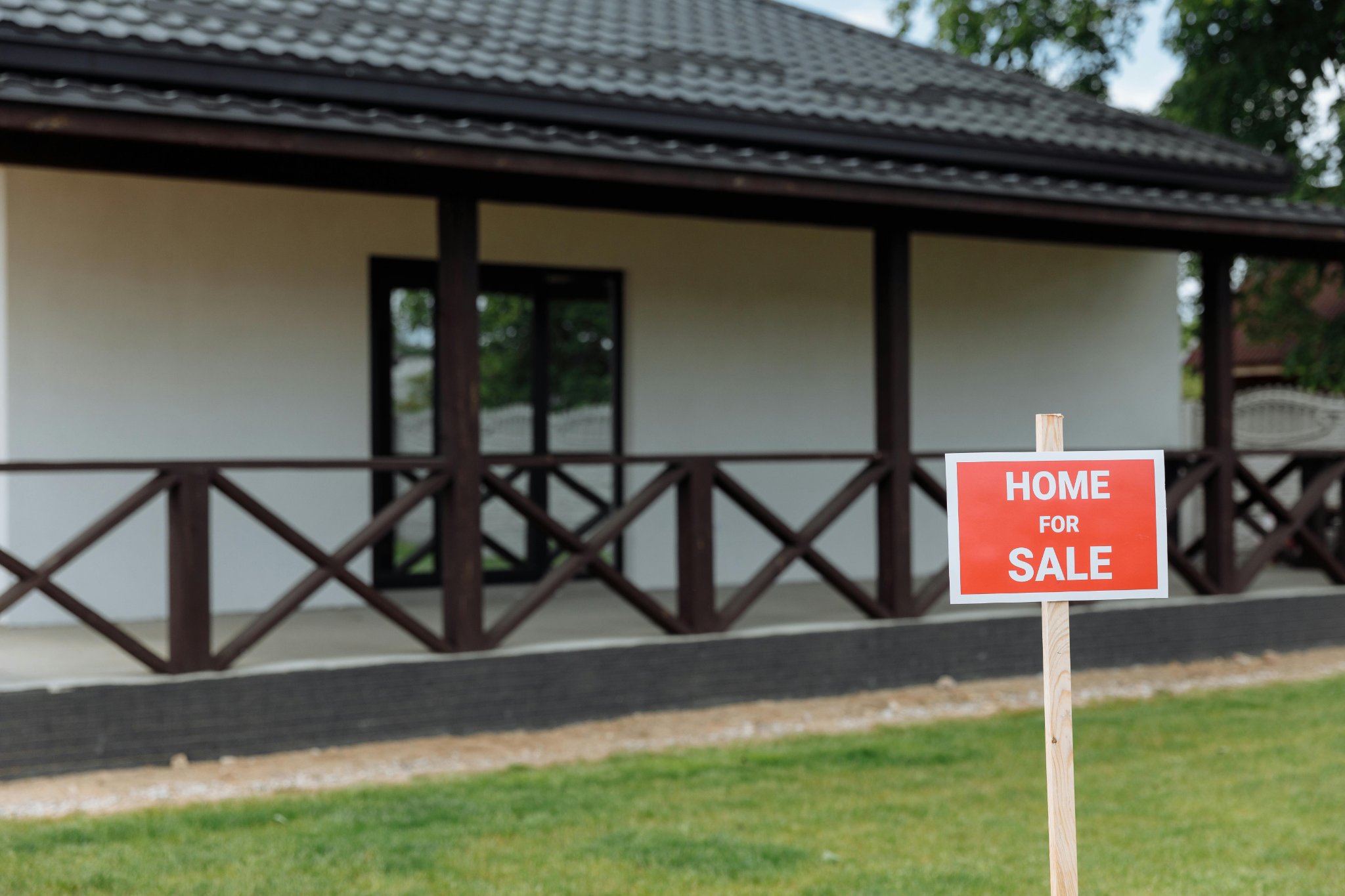
The Case for New Construction in Durham
There's no denying the appeal. Walk into a newly built home in communities like Parkwood, Ellis Crossing, or the expanding southwest Durham corridors, and you're greeted with open floor plans, quartz countertops, smart home integrations, and energy-efficient systems that resale homes often can't match without significant investment.
What New Construction Gets Right
- Builder warranties: Most new construction homes in Durham come with a one-year workmanship warranty, a two-year systems warranty, and a ten-year structural warranty. That's meaningful peace of mind in your first decade of ownership.
- Energy efficiency: New builds in 2026 are constructed to updated North Carolina energy codes, meaning tighter insulation, higher-efficiency HVAC systems, and lower monthly utility bills. This is a real, quantifiable financial benefit.
- Customization windows: If you buy early enough in the build process, you can select your own finishes, flooring, and layout upgrades — something no resale home can offer.
- No immediate maintenance surprises: Everything is new. The roof, the water heater, the appliances. You're not inheriting someone else's deferred maintenance.
- Climate risk scoring advantages: Newer communities in Durham are increasingly being built with flood plain data, wildfire buffer zones, and storm resilience in mind. AI-powered climate risk scores — now standard on most major listing platforms — tend to favor recently built homes with modern site planning.
The Hidden Costs Buyers Overlook
Here's where the sales center experience can leave you underprepared. New construction in Durham frequently comes with HOA fees, community amenity assessments, and lot premiums that aren't prominently featured in the base price marketing. Upgrades — the very things that make the model home look so attractive — can add 15% to 25% to your final purchase price.
Additionally, many new construction communities sit on the urban fringe, meaning longer commutes, fewer walkable amenities, and immature landscaping for the first several years. If you're buying in a phased development, you may be living next to active construction for 18 to 36 months.
The Case for Resale Homes in Durham
Durham's resale market offers something new construction fundamentally cannot: character, location, and proven neighborhood infrastructure. Established areas like Forest Hills, Watts-Hillandale, Lakewood, and Old North Durham have mature canopies, proximity to downtown, and the kind of architectural detail that simply cannot be replicated at scale.
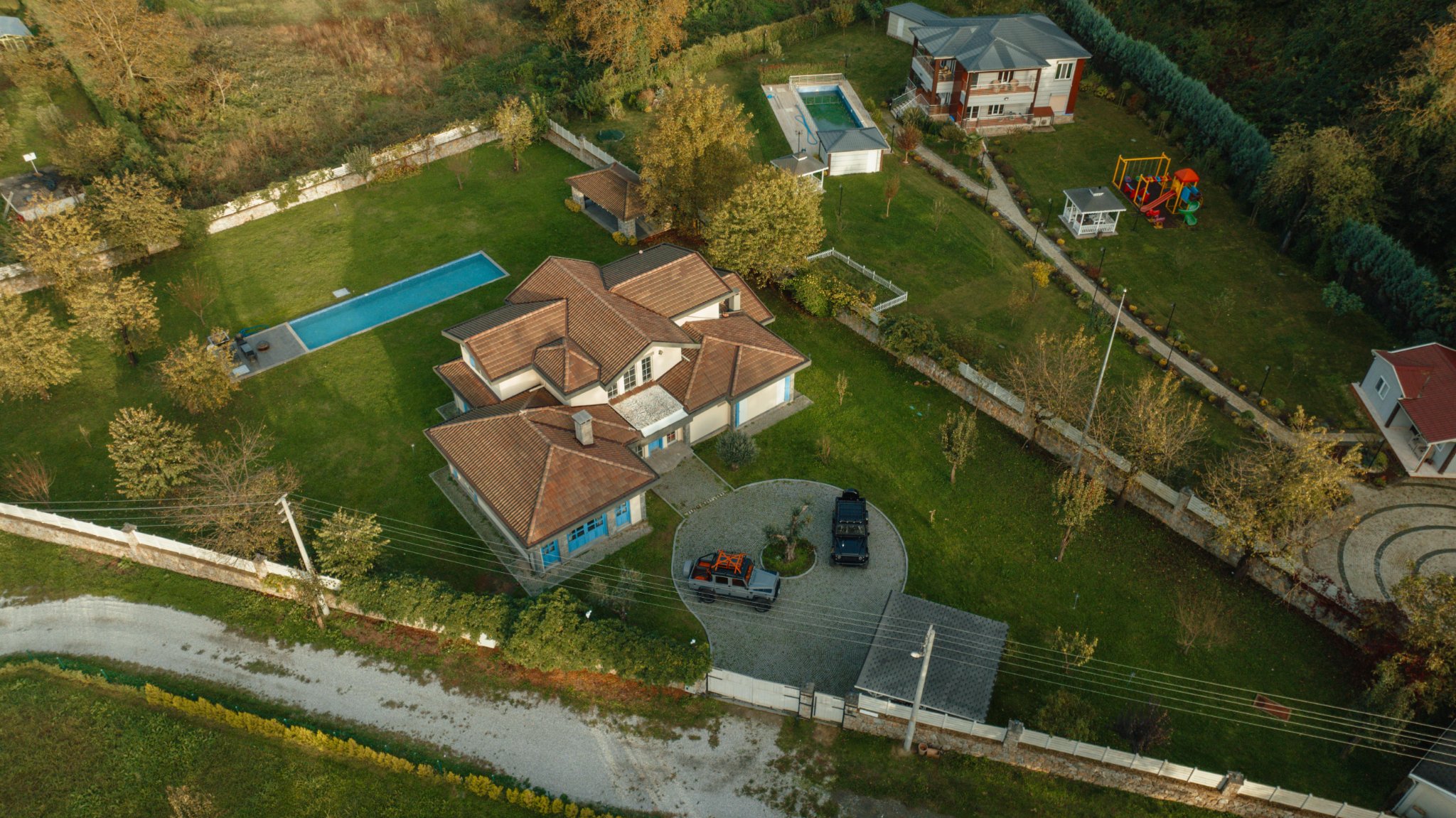
What Resale Gets Right
- Location, location, location: The best-located lots in Durham were built out decades ago. Resale buyers often gain access to neighborhoods that are simply no longer reproducible at new construction price points.
- Negotiation leverage: Unlike builders who rarely budge on base price, individual sellers are often emotionally motivated and willing to negotiate on price, closing costs, and repairs — especially in a market where housing inventory is gradually loosening.
- Established communities: Schools are known quantities. Neighbors have history. The coffee shop around the corner has been there for years. Community stability is worth something real to many buyers.
- Faster move-in timelines: New construction timelines in 2026 continue to be affected by labor and materials volatility. Resale homes close on your schedule, not a builder's projected completion date.
- Lot size and privacy: Older Durham homes frequently sit on larger lots with more separation from neighbors — a significant lifestyle factor that newer, denser planned communities often sacrifice for per-unit profitability.
The Resale Risks to Price In
Resale homes demand due diligence. A professional home inspection is non-negotiable, and in Durham's older housing stock you should budget for potential issues including aging HVAC systems, outdated electrical panels, original plumbing, and roof replacement timelines. Buyers should also review climate risk scores carefully on resale properties — older homes in flood-adjacent areas or with aging storm water infrastructure may carry elevated risk ratings that affect both insurability and long-term resale value.
Insurance costs are a growing variable in 2026. Make sure to get insurance quotes before going under contract on any resale home, particularly those built before 2000. Carrier appetite for older homes in certain Durham zip codes has shifted, and premium increases can meaningfully affect your monthly payment calculations.
The 2026 Financial Comparison: What the Numbers Actually Show
At current Durham market conditions, new construction homes are typically priced at a 10% to 18% premium over comparable resale square footage in similar submarkets. However, when you factor in upgrade costs, HOA fees, and the reality that most new construction buyers spend significantly at the builder's design center, that premium often widens to 20% or more in effective cost.
Resale buyers, on the other hand, should model a realistic repair and update reserve. A reasonable rule of thumb for Durham resale homes built before 2005 is to budget 1% to 1.5% of the purchase price annually for maintenance and capital improvements in the early years of ownership.
The mortgage rate environment in 2026 adds another layer. Builders are still offering rate buydown incentives on new construction — often financing temporary or permanent rate reductions through their preferred lenders to move inventory. These incentives are real and worth quantifying, but always compare the builder's financing against your own lender's terms to ensure you're not giving back the rate savings in higher purchase price or unfavorable loan conditions.
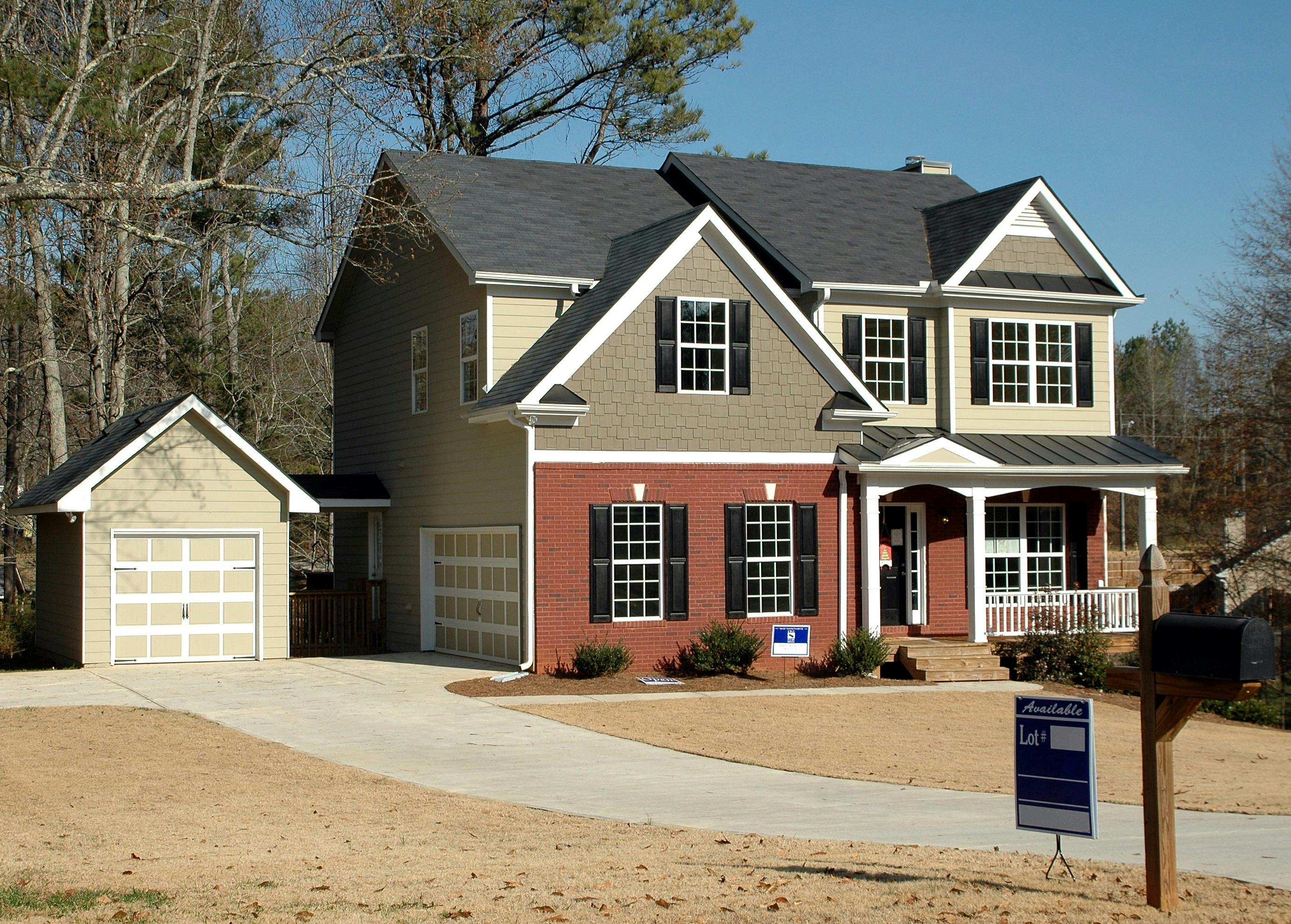
Key Questions to Ask Before You Decide
Rather than declaring a winner, the smarter move is to pressure-test your own priorities. Here are the questions that will actually clarify which path makes sense for you:
- How important is location versus condition? If proximity to downtown Durham, Duke, or a specific school matters most, resale likely wins. If turnkey condition and low early maintenance are priorities, new construction earns serious consideration.
- What is your realistic timeline? If you need to be in a home within 60 to 90 days, new construction is frequently off the table unless you're buying a spec home that's already completed.
- Have you reviewed the climate risk score for every property you're seriously considering? This is no longer optional due diligence. Both new and resale homes should be evaluated for flood, heat, and storm risk using current scoring tools before you make an offer.
- What's your five-year plan? New construction communities sometimes appreciate more slowly in the early years as the neighborhood establishes itself. Resale homes in high-demand Durham neighborhoods have historically shown stronger near-term appreciation, though this varies significantly by submarket.
- Are you bringing a buyer's agent to new construction showings? You should be. Builder sales agents represent the builder's interests. Having your own representation — at no additional cost to you — is one of the most consistently overlooked protections available to new construction buyers in Durham.
The Bottom Line for Durham Buyers in 2026
There is no universally correct answer between new construction and resale. What there is, however, is a right answer for your specific priorities, budget, timeline, and risk tolerance. Durham is a market deep enough to offer excellent options on both sides of this debate, which is actually a luxury that many buyers in other metro areas don't enjoy.
Go in with clear eyes. Understand the true all-in cost of new construction before you fall in love with the model home. Understand the true deferred maintenance exposure of resale before you fall in love with the neighborhood. And in either case, make sure you're working with a buyer's agent who knows Durham's submarkets well enough to give you a frank comparison rather than just telling you what you want to hear.
The best home purchase you'll make in 2026 is the one grounded in honest math and honest expectations — not the one with the nicest light fixtures in the showroom.